Ranch dressing is a condiment that can evoke strong emotions, from passion to distaste, depending on who you ask. Chef McKenna Lelah of Lapaba, a Korean Italian restaurant in Los Angeles, is a self-proclaimed ranch lover. “I love ranch, but I’m also one of those nostalgic kids of the 1990s,” she says. Lelah’s restaurant serves a unique yuzu kosho ranch that has gained a following, particularly with its fried chicken. The ranch is made with creme fraiche, yuzu juice, and yuzu kosho, giving it a tangy and citrusy flavor.
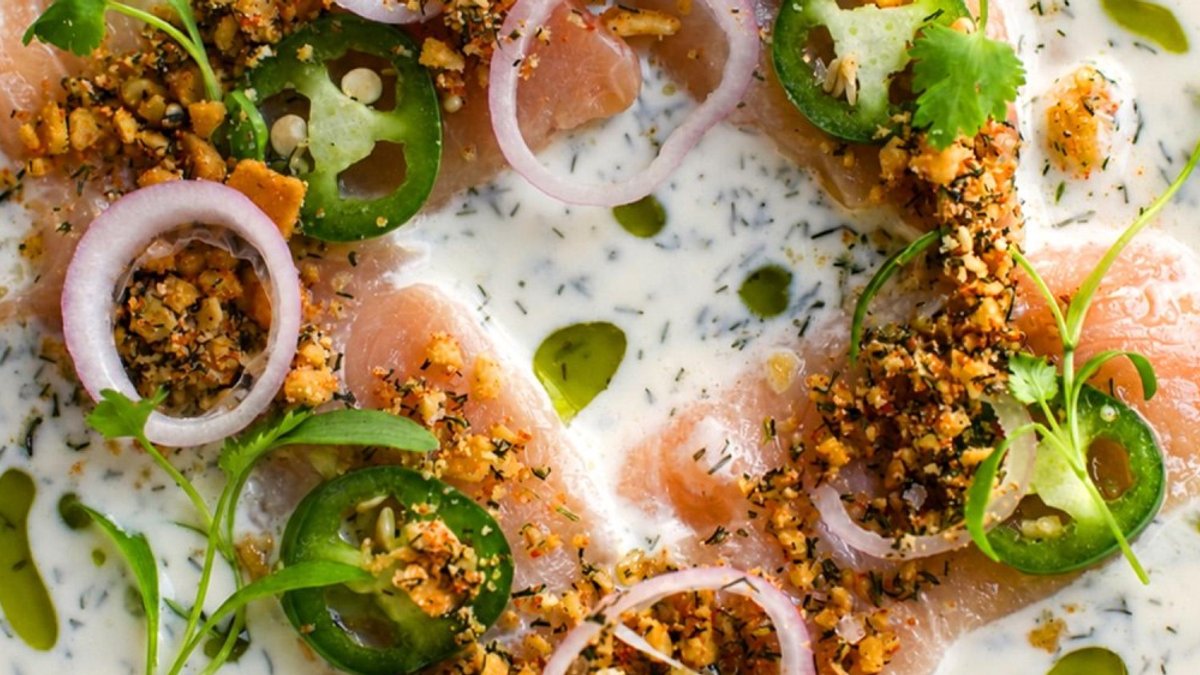
Lelah is not alone in her love for ranch. Across the country, chefs are transforming ranch into a marquee menu item, often with a culturally specific spin. At Bistro Amasa in Santa Barbara, California, chef Julian Martinez serves a Cool Ranch Dorito-inspired crudo, while in San Francisco, Popi’s Oysterette offers a “fancy ranch” made with dill, chives, and rice vinegar. The Thai restaurant Crispy Gai in Portland, Maine, serves a Nam Jim Seafood Ranch sauce with its fried chicken.
Read Also: Marine Nutrition Boosts Healthspan Formulations
The History of Ranch Dressing
Ranch dressing was first invented in 1954 by Steve Henson, a contractor who served the dressing to his workers to liven up their salads. The original recipe consisted of buttermilk, mayonnaise, and various herbs and seasonings. Henson began serving the dressing at his restaurant, Cold Spring Tavern, in the Santa Ynez mountains of California, where it is still served today.
Early DIY packets of the sauce were marketed as a party dip, foreshadowing its crowd-pleasing talents. With the exception of some competition from Italian dressing in the 1990s, ranch’s popularity has been consistent, experiencing an upswing post-COVID lockdowns. According to the consumer research firm Mintel, condiment consumption increased during the pandemic and never went back down.
The Current Ranch Renaissance
The current popularity of ranch is part of a larger trend, with diners increasingly seeking comfort foods like rotisserie chicken and chicken tenders. One of New York City’s buzziest reservations this summer is at Cleo Downtown, a rotisserie-chicken-focused restaurant that serves a Lebanese-inspired labneh ranch. The 2026 FIFA World Cup also gave ranch a refreshed international stage, with hype around the condiment rekindled amid a general increase in interest in American food and cultural cliches.
Read Also: EY opens sustainable supply chain hub in Singapore
Kraft created special TSA-compliant mini bottles of Hidden Valley Ranch, and Buffalo Wild Wings launched Poppin’ Ranch, a Pop Rocks-style candy meant to recreate the sensation of crispy, ranch-covered wings. Suddenly, ranch wasn’t just raising eyebrows on personality-heavy menus, but making headlines in major news outlets that declared “ranch won” the summer.
The Enduring Duality of Ranch’s Reputation
Despite its popularity, ranch remains a culinary punching bag. Ranch consumers on Reddit talk about its potential as an economic flavor savior, albeit with visible embarrassment. Lelah thinks the enduring duality of ranch’s reputation can be explained two-fold, citing the importance of nostalgia and the fact that people feel tied to certain condiments. As a chef, she says, “you want to [innovate], and you can deal with a lot of insecurity. But nostalgia is important. What people feel tied to is important.”
For many people, ranch clearly makes eating more enjoyable. Easy. Perhaps the admission to loving that ease has always been the problem, especially in a country with foundations in a morally-imbued, self-flagellating Calvinist work ethic. “There’s a weird shame around ranch,” Lelah says, “But, ultimately, you don’t really have anything worth keeping on your menu unless it resonates with your diners, right? That’s the whole basis of the restaurant business. Of why we do it at all.”
Read Also: Chile seeks growth in Philippine fruit, seafood and pork market
Ranch’s Place in the Restaurant Business
Lelah’s comments highlight the importance of understanding the cultural significance of ranch and its place in the restaurant business. As chefs continue to innovate and experiment with ranch, it’s likely that the condiment will remain a staple in many restaurants. With its unique flavor profile and versatility, ranch is an ingredient that can add depth to a variety of dishes, from salads to fried chicken.
It’s possible that the current ranch renaissance is not just a fleeting trend, but a sign of a larger shift in the way people think about food and flavor. As consumers become more adventurous and open to new experiences, ranch may become an even more integral part of the culinary scene.